The list is not the learning
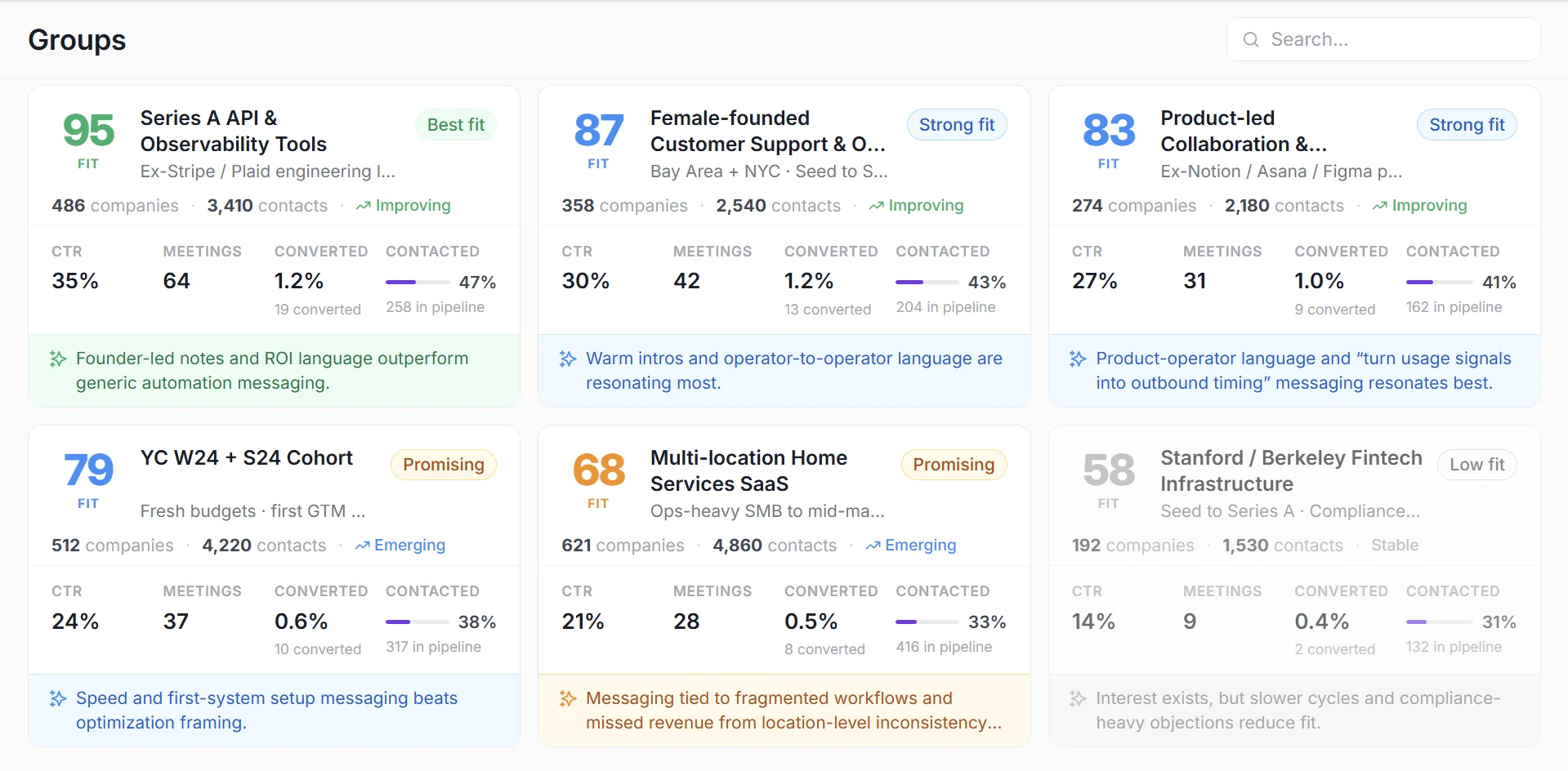
Prospecting tools like Apollo, Clay, and ZoomInfo excel at "finding contacts" and "powering outbound," yet they lack functionality as a research repository for discovery notes and insight clustering. And more contact data isn't the same as clarity: Forrester found 64% of B2B marketing leaders don't trust their own organization's measurement enough to make decisions with it.This gap prevents learning from compounding across prospecting cycles.
The true value of targeted prospecting extends beyond booking calls. Early-stage founders should focus on answering:
- Which segment experiences pain right now?
- Who serves as buyer versus user?
- What does each segment want from a solution?
- What objections appear repeatedly?
- What should development prioritize next?
This represents the bridge connecting sales discovery to product discovery.
A founder-friendly workflow: list → calls → learnings → ICP
1) Start with a hypothesis, not a giant list
Replace broad lead pulling with specific assumptions:
- "I think the ICP is ops-heavy teams at 10–50 people."
- "I think the ICP is founders doing outbound without a sales team."
- "I think the ICP is PMs at product-led startups doing continuous discovery."
Build smaller, hypothesis-testing lists rather than massive databases.
2) Use org charts to find the right roles
Org charts deliver value through intentional use:
- Identify the daily user
- Locate the manager
- Find the budget owner
Tracking role prevents note confusion, since "different roles care about different outcomes."
3) Treat discovery calls like qualitative customer research
Sales discovery represents qualitative research with intention. Capture:
- What hurts
- Current solutions
- Switch motivators
- Adoption blockers (security, budget, workflow)
This isn't sales versus research — at early stages, they overlap.
The part most founders skip: post-call reflection
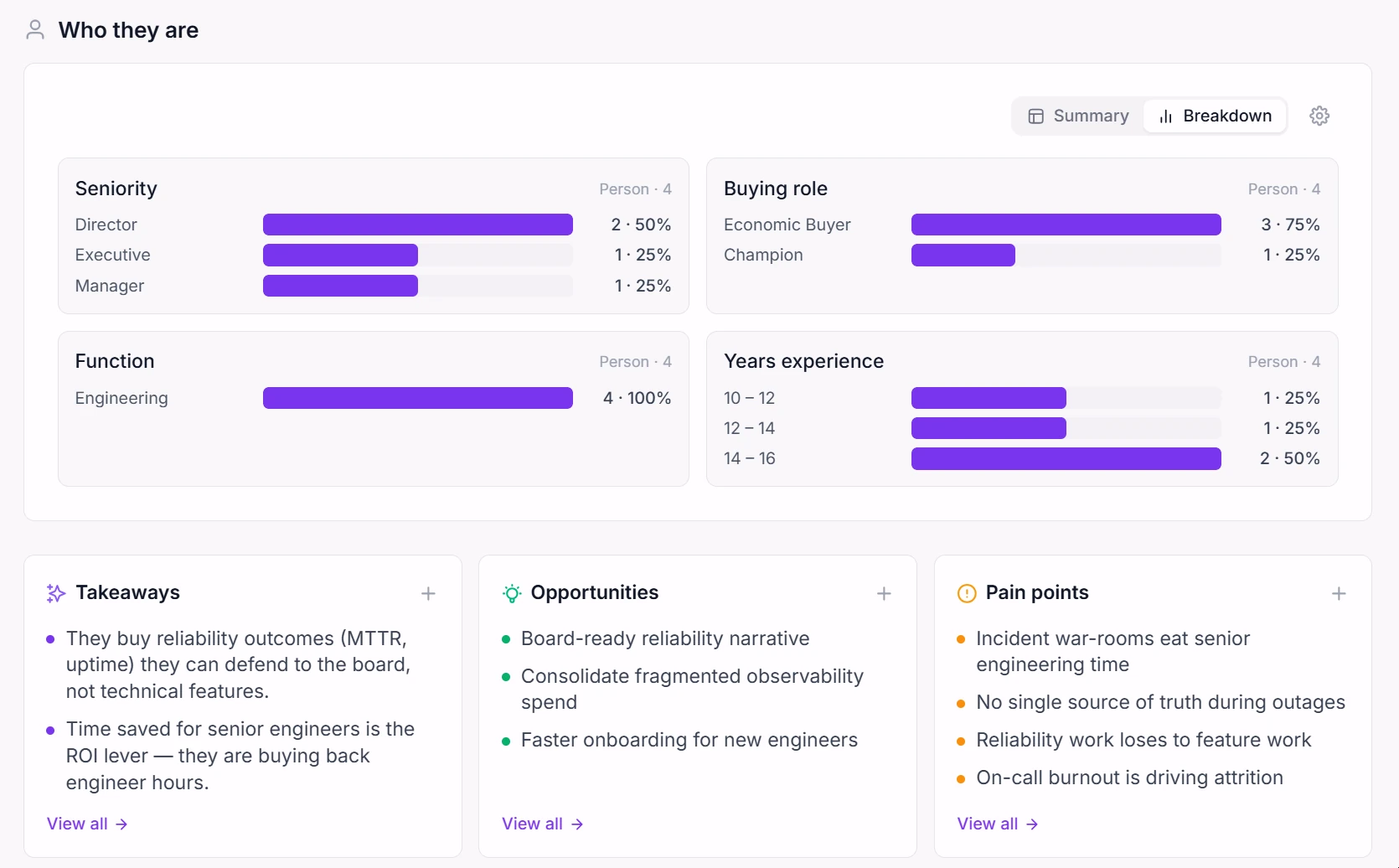
Post-call summaries need not be lengthy. After each conversation, record:
- A repeatable takeaway
- Next steps
- A buyer intent label (high/medium/low)
This maintains continuity without excessive documentation.
Turn notes into patterns (theme clustering without sticky notes)
After several calls, patterns emerge. Weekly 15-minute reviews identify:
- Repeating themes
- Segment-specific themes
- Buyer versus user theme differences
Interview synthesis becomes strategic at this moment, transforming "I talked to people" into "I know what this segment wants."
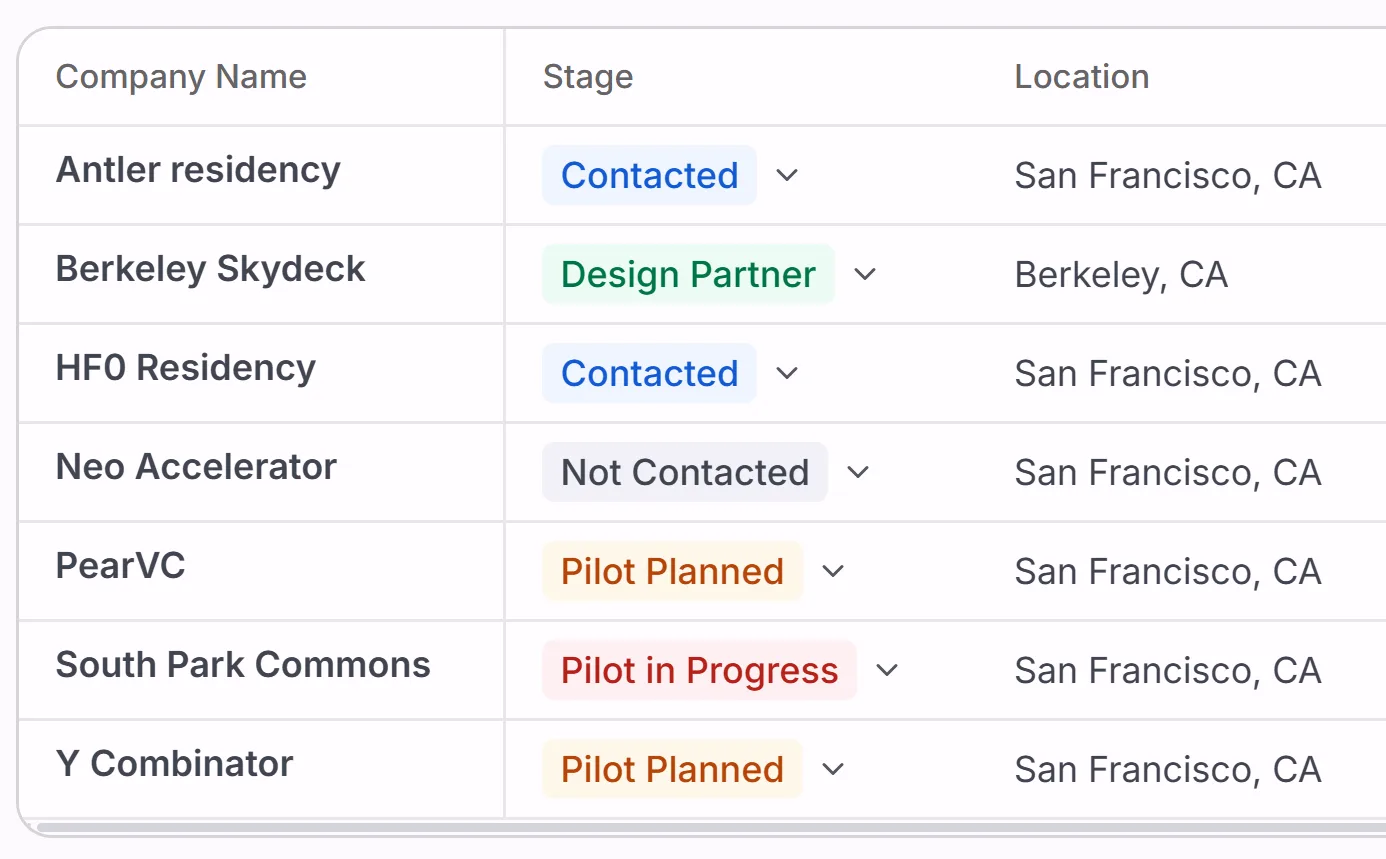
How this sharpens ICP and improves your pipeline at the same time
Synthesizing learnings by segment produces two outcomes:
- ICP analysis clarifies: Replace guessing with evidence. Say definitively, "Segment A has repeated pain, Segment B does not."
- Outbound improves: Language, objections, and value propositions now reflect reality. Sales targeting improves through earlier bad-fit exclusion.
Research becomes enabler rather than exercise. It makes selling easier.
Where Intervool fits
Intervool addresses the gap between "I have a list" and "I have signal." It enables:
- Connecting customer lists to discovery calls
- Capturing sales discovery notes consistently
- Tagging insights by relevant attributes
- Synthesizing interview insights into themes
- Tracking buyer intent and follow-ups
- Prioritizing opportunities as patterns surface
Early teams access a 14-day free trial.